

Skip to content
Maridadi Africa Safaris
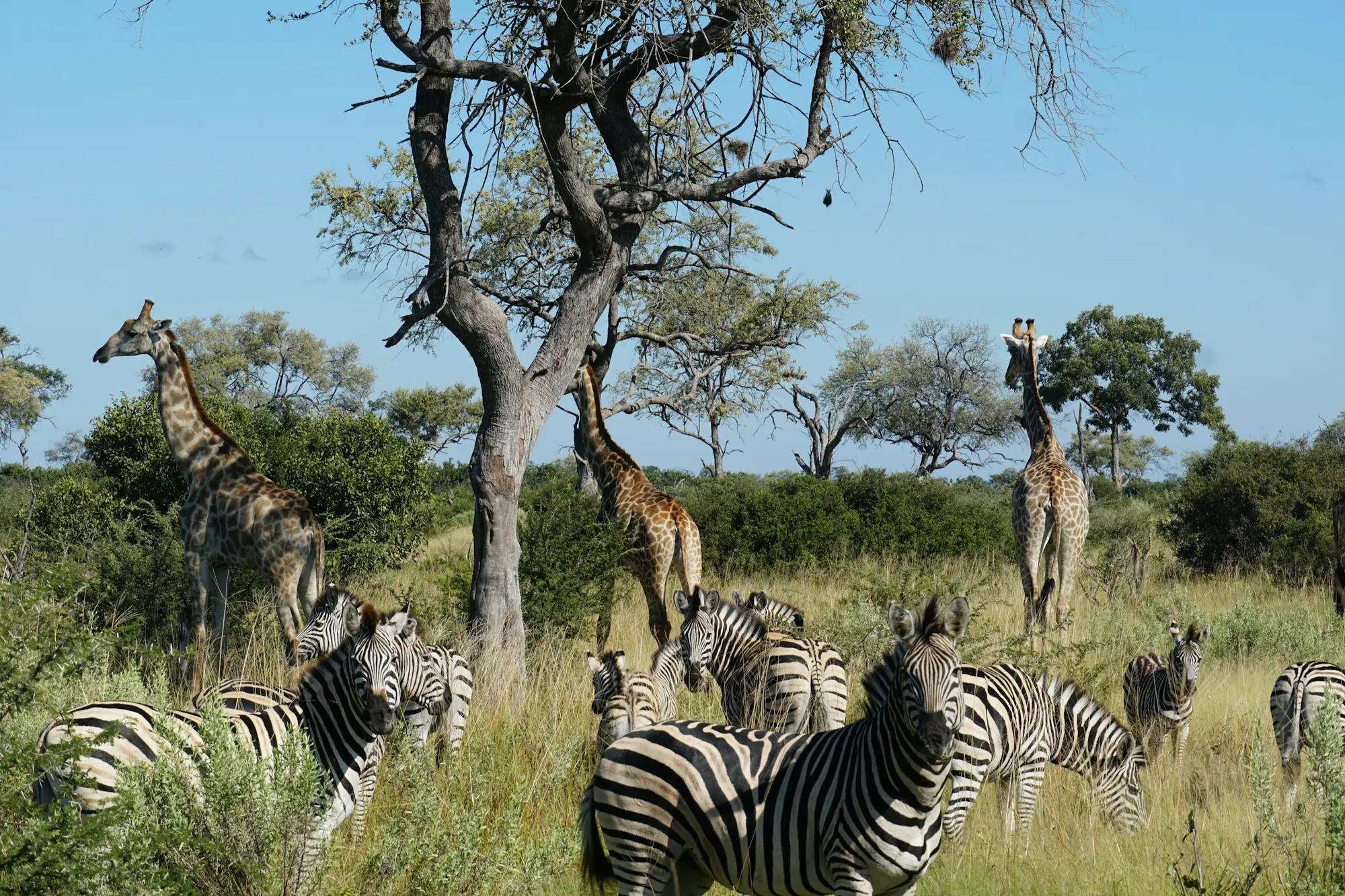
Giraffes and zebras grazing together among acacia trees
Back

Travel by season

Know when to go. Seasons in East and Southern Africa are the opposite of North America's — and the price follows the season.

Price follows the season

Four seasons, four moods

Africa's parks can be visited all year round, but what happens in them changes with the weather. Each of our four travel seasons has its own scheduled departures from 8 to 20 days, and its own rates — so you can choose the wildlife, the weather or the budget that matters most to you.

A male lion with a full mane striding across the savannah01
January – mid March Hot & Dry

Dry / Peak Season

More of the tropical weather, when the days are sunny and bright, though nights can get really cool in the highlands. It's the best time to see most of the wildlife and to enjoy the sandy beaches of the Indian Ocean, despite the coastal humidity.

The savannah dries out and the grazing animals congregate at the only permanent waterholes. That's where you'll witness the most thrilling dramas of the African plains, as predators find their prey far easier to catch.

Tour bookings need to be made early because of the high demand for accommodation and other services in this high tourist season.

From
$6,899
Months
3
Departures
3 / tour

Departures in Jan, Feb, Mar · from $6,899 per adult

See Dry / Peak departures
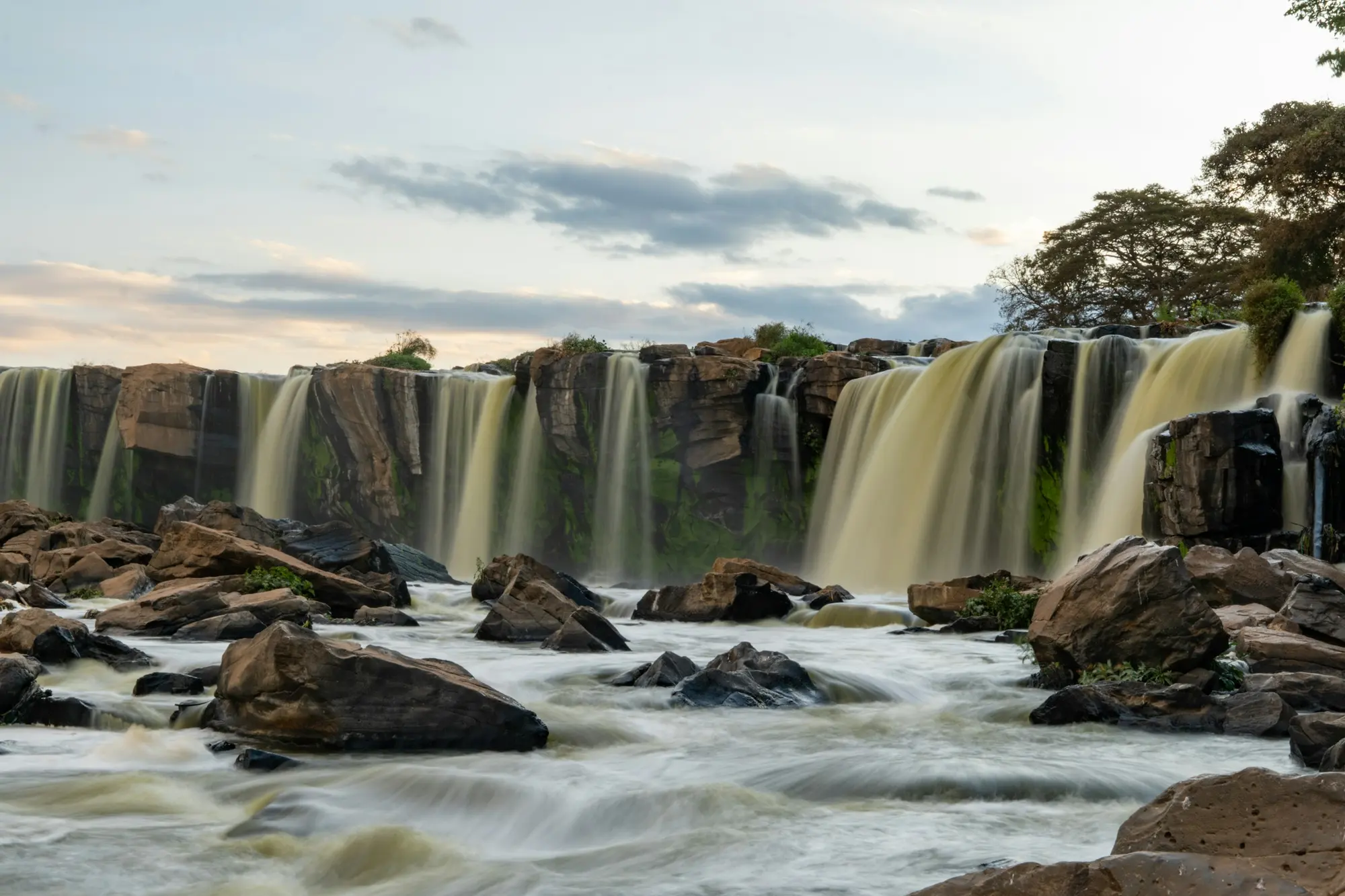
A wide waterfall tumbling over rocks in central Kenya02
April & May Wet & Green

Low Season

The Low Season is wet and green. Rains are intermittent and often fall in the late afternoon. The vegetation in the parks is high, which can make smaller animals a little harder to spot — but you won't be disappointed.

Tourist numbers are lower, there's no congestion in the hotels or the parks, and prices get much lower.

From
$6,649
Months
2
Departures
2 / tour

Departures in Apr, May · from $6,649 per adult

See Low departures
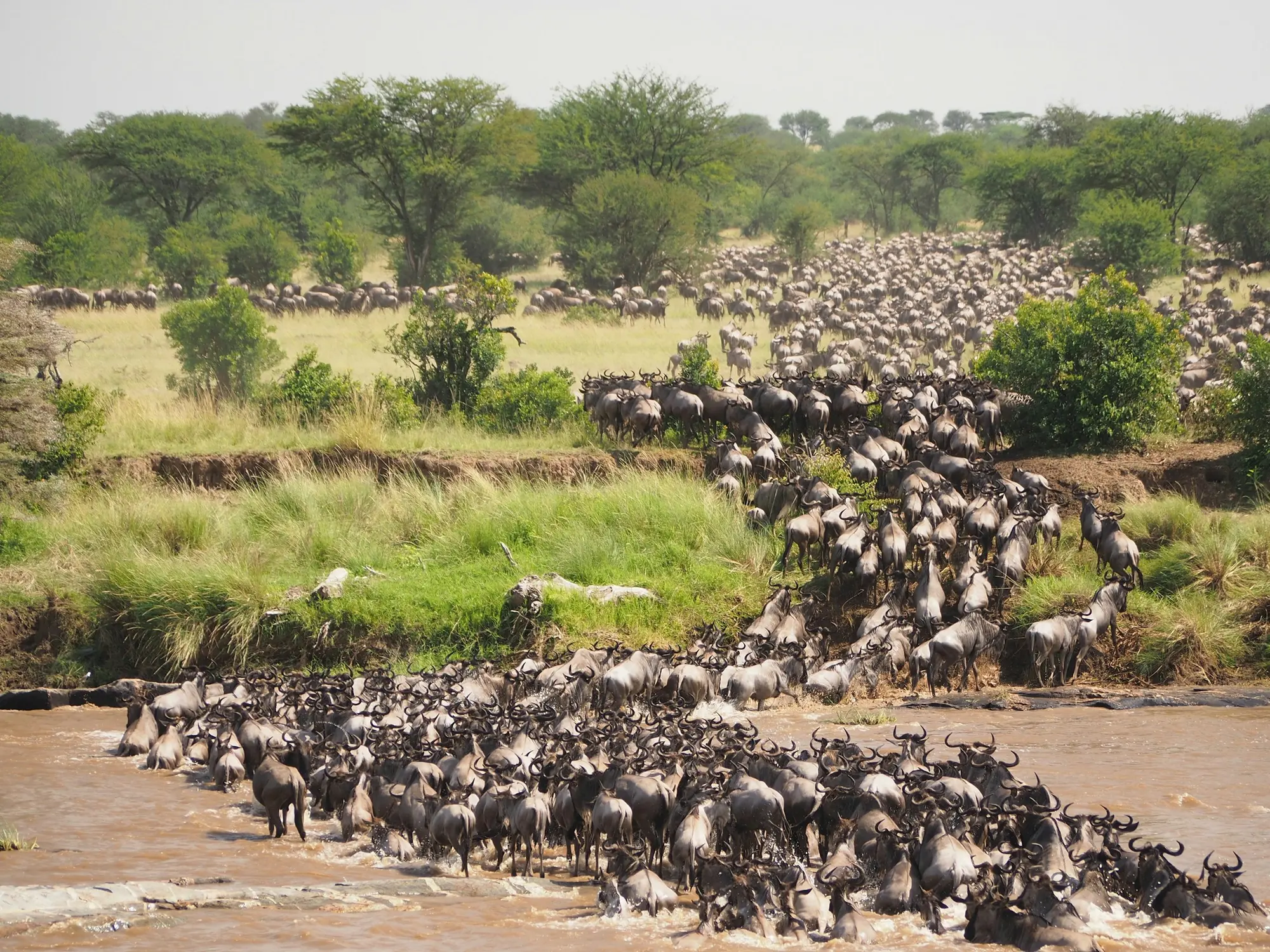
Wildebeest pouring across a river during the Great Migration03
June – mid October Cool & Green

High Season

This is winter in East and Southern Africa — only moderately cold, never extreme. Nights are cool, days are often sunny by the afternoon after a chilly start, with occasional scattered showers in the highlands.

The vegetation is low, making it much easier to spot game. It's also the season of one of the greatest wildlife spectacles on the planet: the Great Wildebeest Migration between Tanzania's Serengeti and Kenya's Maasai Mara, from June to October.

It's the busiest season, with more visitors and higher prices — and worth every penny.

From
$6,899
Months
5
Departures
5 / tour

Departures in Jun, Jul, Aug, Sep, Oct · from $6,899 per adult

See High departures
Giraffes and zebras grazing together among acacia trees04
November & December Rains Setting In

Shoulder Season

The Shoulder, or Medium, Season falls between summer and winter — what North Americans would call fall. The rains are setting in and visitor numbers are falling, so prices go down considerably.

There's still a great deal to see in the parks and beyond, making this another good time to visit Kenya and the rest of Africa.

From
$6,649
Months
2
Departures
2 / tour

Departures in Nov, Dec · from $6,649 per adult

See Shoulder departures

Opposite hemispheres

North America vis-à-vis Sub-Saharan Africa

The seasons are exactly reversed — when it's summer at home, it's a cool, dry winter on safari.

North AmericaSub-Saharan Africa
  • SummerJun – SepWinterJun – Sep
  • FallSep – NovSpringOct – Nov
  • WinterDec – MarSummerDec – Mar
  • SpringMar – MayFallApr – May

Still deciding?

Tell us what you'd love to see — we'll suggest the right season.